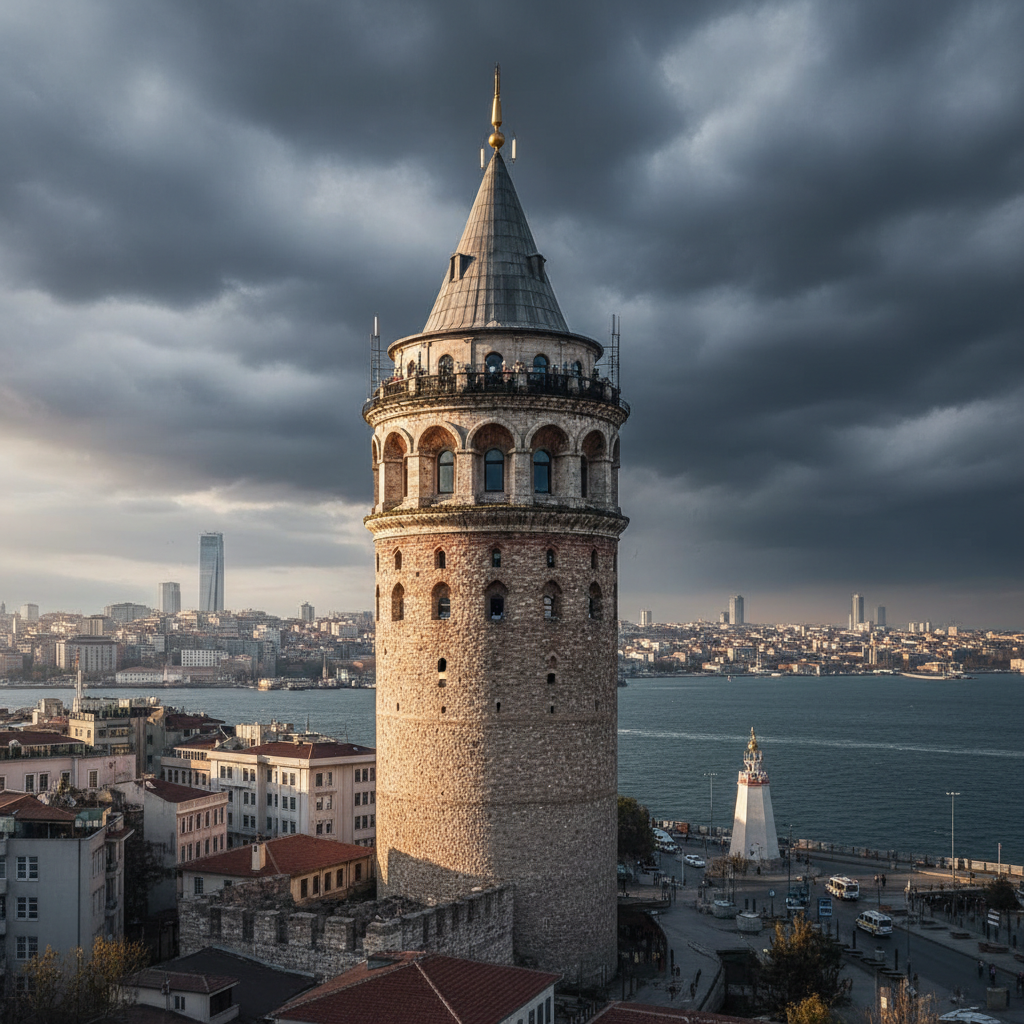
Galata Tower Engineering: Enduring Marvel of Istanbul
The Galata Tower Engineering is a unique feature that has allowed this structure to stand for centuries, becoming an indispensable part of Istanbul's skyline. This monumental building, with its Gothic architecture and robust design, attracts both history enthusiasts and modern-day tourists. It has heroically resisted numerous earthquakes and natural disasters. As of 2026, the engineering secrets of the Galata Tower continue to inspire contemporary construction techniques, showcasing exceptional durability.
The Enduring Engineering and History of Galata Tower
Indeed, the history of the Galata Tower is exceptionally rich, thanks to its strategic location and evolving purposes. Built during the Genoese period, this tower served various functions during the Byzantine and Ottoman Empires. Significantly, additions and reinforcements made in each era played a crucial role in the tower achieving its current robust structure. The principles of Galata Tower Engineering have been refined over centuries. For a deeper dive into its artistic influence, explore Galata Tower: Inspiration from Above – Through the Eyes of Painters, Poets, and Contemporary Artists in 2026.
Genoese Period: Initial Construction and Structural Features
Firstly, the Genoese built the tower in 1348, naming it the "Tower of Christ." The basic engineering principles employed were remarkably advanced for their time. The choice of stone material and the mortar technique used ensured the structure's soundness from its inception. During this initial construction phase, the strong local rocks and the underlying ground stability were paramount. These early Galata Tower Engineering practices laid the groundwork for the structure's impressive longevity.
Ottoman Period: Crucial Repairs and Reinforcements
Subsequently, during the Ottoman Empire, the tower served different functions and underwent many repairs. Especially after major earthquakes, reinforcement works significantly increased the tower's resistance. For instance, Architect Hayreddin carried out substantial restorations following the Great Istanbul Earthquake of 1509. These restorations notably strengthened the tower's load-bearing systems and facade, making it more resilient against seismic activity. The continuous evolution of Galata Tower Engineering is evident in these historical repairs. Some lesser-known aspects of its past are covered in The Dark Side of Galata Tower: Istanbul's Mysterious Secrets and Little-Known 'Vampire' Legends 2026.
Galata Tower Engineering Solutions: Defying Earthquakes
Istanbul, owing to its distinct geological location, has experienced numerous major earthquakes throughout history. Impressively, in each of these events, the Galata Tower remained standing, proving its exceptional resilience. This enduring stability is a direct result of the unique Galata Tower Engineering approach applied during its construction and subsequent maintenance. The principles of Galata Tower Engineering are a testament to ancient wisdom. For a deeper understanding of seismic design, consider resources like The Earthquake Engineering Research Institute (EERI).
- Robust Foundation System: The tower rests on the solid rock foundation of the Galata hill. This natural strength dramatically increased the structure's resistance to ground-borne vibrations during earthquakes. This is a core aspect of Galata Tower Engineering.
- Flexible Building Materials: The specific stones and special mortar mixtures used imparted a certain degree of flexibility to the structure. By dissipating energy, this flexibility minimized structural damage during an earthquake. This innovative material use is part of the tower's unique Galata Tower Engineering.
- Conical Body Structure: The tower's conical design, tapering upwards, effectively lowers its center of gravity. This design provides greater stability and offers extra resistance against both wind loads and seismic forces. This structural design is a key element of effective Galata Tower Engineering.
- Reinforcements Over Time: Crucially, additions and reinforcements made after every significant earthquake or fire helped preserve the tower's structural integrity. This continuous maintenance and improvement represent a key factor in the tower's longevity, highlighting adaptive Galata Tower Engineering.
Architectural Details and Evolving Purposes of Galata Tower
Beyond its initial role as a watchtower, the Galata Tower has served many different purposes over centuries. These diverse uses have undeniably left their mark on the tower's architectural structure. The tower has truly been a versatile building, successfully fulfilling various functions throughout history, thanks to its adaptable Galata Tower Engineering.
Observation and Defense: The Primary Purpose
Primarily, the Genoese built the tower for defense and observation. Its strategic location offered crucial control over the Bosphorus and its surroundings. Its thick walls and impressive height functioned as a natural fortress against enemy attacks. This initial defense-oriented design forms the bedrock of the Galata Tower Engineering philosophy.
Fire Watchtower and Observatory: Adapting Roles
Later, its use as a fire watchtower during the Ottoman period served a vital function for Istanbul. As mentioned by Katip Çelebi, it began operating as a fire tower from the late 17th century. Concurrently, it hosted legendary events, such as Hezarfen Ahmet Çelebi's flight attempt, and was partially used as an observatory for a period. This multi-purpose use clearly demonstrates the importance of flexibility and adaptation in the tower's design, a testament to its robust Galata Tower Engineering. Learn more about its cultural significance as a modern art space in Galata Tower: A Hub for Digital Media and Cultural Experiences as an Art Laboratory in 2026.
A Premier Tourist Attraction Today
As of 2026, the Galata Tower stands as one of Istanbul's most important tourist symbols. Visitors ascend the tower to savor the unique Istanbul skyline and immerse themselves in the history of this magnificent, centuries-old structure. The tower, beautifully restored as a museum, also offers a rich cultural experience with its displayed artifacts. Notably, these restorations were carefully carried out in adherence to the original Galata Tower Engineering principles.
Modern Architecture and the Galata Tower Engineering Heritage
The Galata Tower embodies a legacy that continues to inspire today's engineers and architects. Particularly regarding earthquake-resistant structural design, these historical experiences illuminate new projects. Even in 2026, structures like the Galata Tower serve as invaluable lessons in the restoration and preservation processes of historical buildings, showcasing the enduring principles of Galata Tower Engineering. For insights on historic preservation, refer to organizations like The National Trust for Historic Preservation.
Sustainability and the Preservation of Historic Structures
The Galata Tower example strongly emphasizes the importance of sustainable architecture and the preservation of historic structures. Its ability to stand for centuries stems not only from robust construction techniques but also from consistent maintenance and appropriate restorations. This represents a profound lesson for preserving cultural heritage, which must certainly be passed on to future generations, highlighting the long-term vision of Galata Tower Engineering.
Knowledge from the Past in Earthquake Design
Today's civil engineers utilize data gleaned from historical structures to develop modern earthquake design principles. Structures such as the Galata Tower provide valuable information concerning their capacity to absorb and dissipate earthquake energy. This information contributes significantly to building new structures that are safer and more durable. The tower is living proof of remarkable Galata Tower Engineering achievements.
In conclusion, the Galata Tower is not merely a historical structure; it is also a powerful symbol of Galata Tower Engineering ingenuity and humanity's continuous interaction with nature. This structure, standing tall for centuries, continues to inspire future generations by effectively carrying the knowledge of the past into the present. This unique tower, a must-see for every tourist visiting Istanbul, is both a visual feast and an exceptional structural lesson in Galata Tower Engineering.